


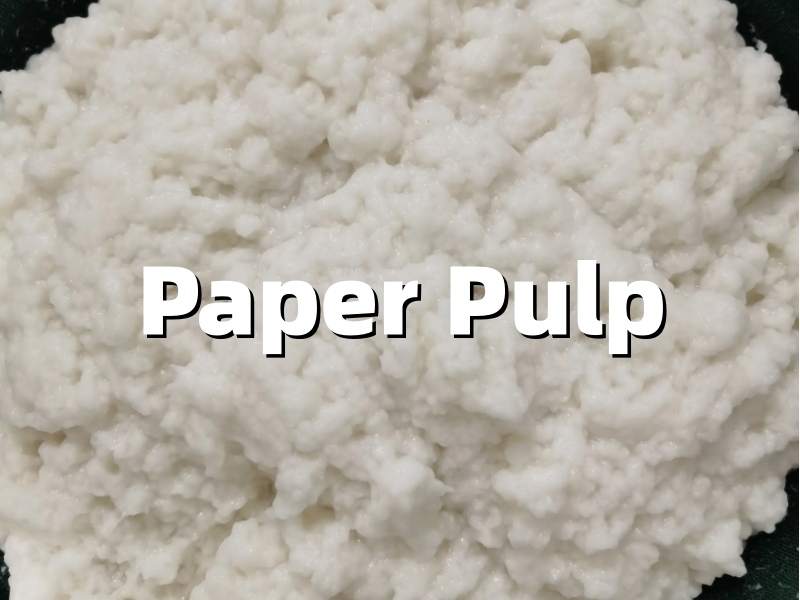

Dewatering Screw Press Machine for Pulp Processing: Process Flow and Dewatering Performance
1. Overview of Pulp Dewatering Requirements
In the pulp and paper industry, pulp typically contains a high percentage of water, with an initial solids content of only 2%–6%. Without efficient mechanical dewatering, downstream drying processes require excessive energy, while transportation and wastewater treatment costs increase significantly.
A dewatering screw press machine is widely used as a reliable and energy-efficient solution for pulp dewatering. Thanks to its continuous operation, compact structure, and low maintenance requirements, it has become a standard piece of equipment in modern pulp processing lines.
2. Process Flow of Pulp Dewatering Using a Screw Press
2.1 Pulp Feeding and Conveying
Pulp is fed into the dewatering screw press machine from a pulp chest or upstream thickening system. The low-speed rotating screw ensures uniform conveying and prevents fiber stratification or blockage during operation.
2.2 Gravity Drainage and Primary Dewatering
At the inlet section, free water is removed mainly through gravity drainage. Water passes through the screen or filter cylinder, allowing the pulp consistency to gradually increase before entering the high-pressure zone.
2.3 Progressive Mechanical Compression
As the pulp moves toward the discharge end, the screw pitch decreases and the internal volume becomes smaller. This design generates steadily increasing pressure, enabling efficient mechanical squeezing of free water and part of the bound water within the pulp fibers.
2.4 Back Pressure Control and Discharge
The discharge section is equipped with an adjustable back pressure system, allowing operators to optimize dewatering performance according to fiber type and process requirements. The dewatered pulp is discharged in a dense, uniform form, suitable for further processing or transportation.
3. Dewatering Performance and Results
3.1 High Solids Content Output
After treatment by a dewatering screw press machine, pulp solids content can typically be increased to 25%–35%, significantly reducing the load on thermal drying systems and improving overall process efficiency.
3.2 Fiber-Friendly Dewatering
Due to its low rotational speed and minimal shear force, the screw press effectively preserves fiber length and structure, making it ideal for both virgin pulp and recycled fiber applications.
3.3 Clean Filtrate and Low Fiber Loss
The discharged filtrate contains relatively low suspended solids, minimizing fiber loss and facilitating water recycling or downstream wastewater treatment.
3.4 Stable and Continuous Operation
Designed for continuous industrial use, the pulp screw press offers stable performance even under fluctuating feed conditions, making it suitable for large-scale pulp and paper production lines.
4. Industrial Applications and Advantages
The dewatering screw press machine is widely applied in:
Pulp and paper mills
Recycled paper and waste paper processing plants
Pulp molding and fiber-based packaging production
Biomass and fiber resource recovery systems
By improving pulp consistency and reducing moisture content, this equipment helps manufacturers lower energy consumption, reduce operating costs, and enhance overall production efficiency.
5. Conclusion
As an efficient and reliable pulp dewatering solution, the dewatering screw press machine plays a critical role in modern pulp processing. Its ability to deliver high solids content, protect fiber quality, and operate continuously makes it an essential component for pulp and paper producers seeking cost-effective and sustainable production.

If your company wants to establish a business relationship with us, please briefly describe the cooperation intention and send an email to:chuantaiscrewpress@gmail.com
![[list:title]](/static/upload/image/20240528/1716877114510915.jpg)