


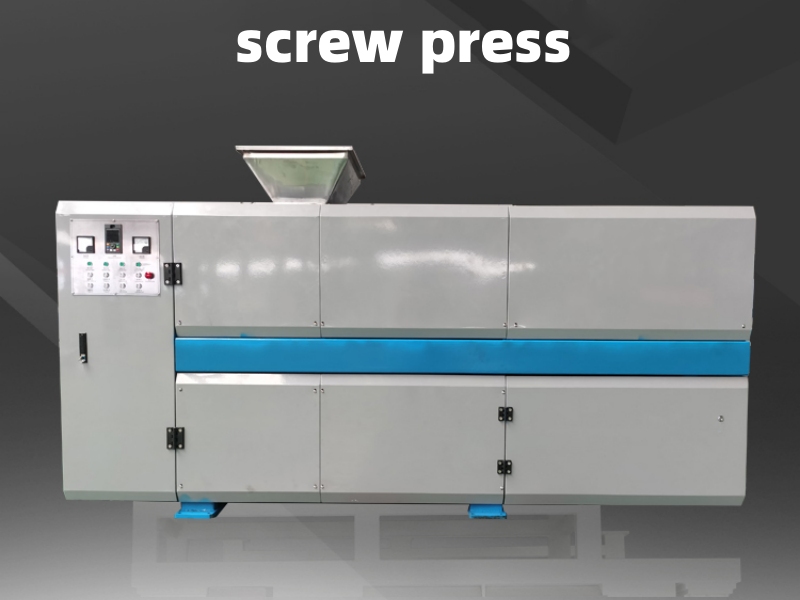
In the ever-evolving landscape of the food industry, efficiency and quality are paramount. One technology that has significantly contributed to achieving these goals is dewatering machines. These machines play a crucial role in removing excess moisture from various food products, enhancing their shelf life, texture, and overall quality. This article explores the importance of dewatering machines in the food sector and their impact on the production process.
Benefits of Dewatering Machines:
Dewatering for Extended Shelf Life:
Dewatering machines effectively reduce the moisture content in foods, preventing microbial growth and spoilage. This process extends the shelf life of products such as fruits, vegetables, and meats, ensuring they reach consumers in optimal condition.
Improved Texture and Taste:
By removing excess water, dewatering machines enhance the texture of food items. Crispy snacks stay crunchier, and fruits retain their natural juiciness, resulting in a superior eating experience. Additionally, the intensified flavors in dehydrated products appeal to consumers seeking rich taste sensations.
Enhanced Nutritional Value:
Dewatering preserves the nutritional integrity of foods. Unlike traditional drying methods, which can lead to nutrient loss, modern dewatering machines maintain essential vitamins and minerals. This ensures that consumers receive not only tasty but also nutritionally rich food products.
Types of Dewatering Machines:
Centrifugal Dewatering Machines:
These machines use centrifugal force to separate water from food particles. They are highly effective for leafy vegetables, removing excess moisture without damaging delicate textures.
Belt Press Dewatering Machines:
Ideal for fruits and root vegetables, belt press machines squeeze out water through a continuous process. They are gentle on the products, preserving their natural colors and flavors.
Vacuum Dewatering Machines:
Operating under reduced pressure, vacuum dewatering machines evaporate moisture at lower temperatures. This is especially beneficial for heat-sensitive foods, maintaining their quality while achieving the desired dryness.
Applications in the Food Industry:
Dried Snacks:
Potato chips, apple crisps, and other dehydrated snacks owe their crispy textures to dewatering machines. These snacks retain their crunchiness for longer periods, delighting consumers with every bite.
Canned Foods:
Dewatering machines are integral in the production of canned fruits and vegetables. By reducing moisture levels, these products remain fresh inside the cans, ensuring quality and taste when consumers open them.
Meat Processing:
In meat processing, dewatering machines remove excess water from sausages, jerky, and deli meats. This not only enhances flavor but also prevents bacterial growth, enhancing the safety of these products.
Conclusion:
Dewatering machines have revolutionized the food industry by optimizing production processes and elevating the quality of food products. Their ability to extend shelf life, improve texture, and maintain nutritional value makes them indispensable in various food processing applications. As technology continues to advance, dewatering machines will undoubtedly play a pivotal role in shaping the future of the food industry, ensuring that consumers worldwide enjoy safe, flavorful, and high-quality food products.


If your company wants to establish a business relationship with us, please briefly describe the cooperation intention and send an email to:chuantaiscrewpress@gmail.com
![[list:title]](/static/upload/image/20240528/1716877114510915.jpg)