


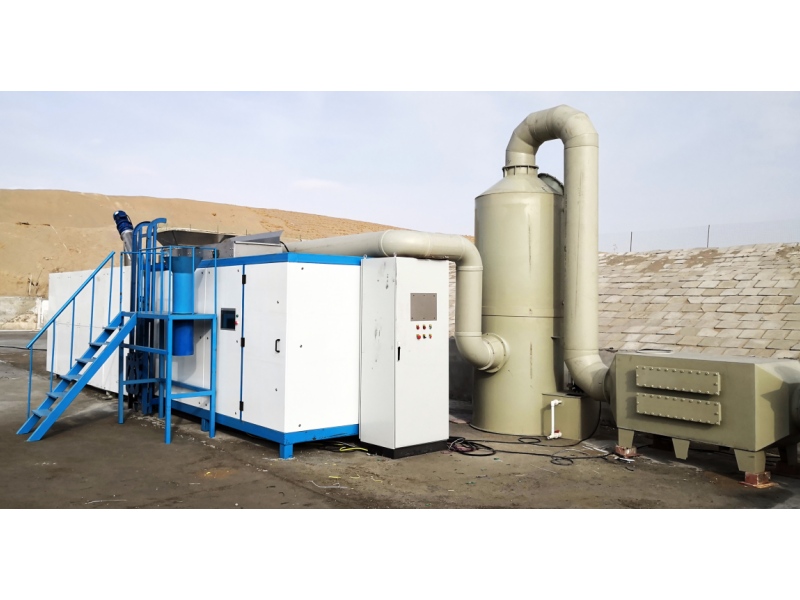
Food waste is a significant environmental issue globally, contributing to greenhouse gas emissions and landfills. To address this challenge, innovative technologies like food waste shredder dewatering systems have emerged. This article explores the environmental benefits of such systems.
Reduced Methane Emissions:
Food waste in landfills undergoes anaerobic decomposition, producing methane, a potent greenhouse gas. Food waste shredder dewatering systems help reduce methane emissions by accelerating the decomposition process in controlled environments. This prevents the release of methane into the atmosphere, mitigating its impact on climate change.
Minimized Landfill Usage:
By reducing the volume of food waste through shredding and dewatering, these systems minimize the demand for landfill space. Land scarcity and the environmental impact of landfills make this an essential contribution to sustainable waste management.
Resource Recovery:
Shredder dewatering systems facilitate resource recovery from food waste. The organic slurry generated after dewatering can be converted into valuable resources such as biogas or nutrient-rich fertilizers. This closed-loop approach promotes a circular economy and reduces dependence on external resources.
Energy Generation:
Biogas produced from the anaerobic digestion of dewatered food waste can be harnessed as a renewable energy source. This biogas can be used for electricity generation or as a clean fuel for various applications, contributing to the diversification of the energy mix and reducing reliance on fossil fuels.
Prevention of Odor and Pathogen Spread:
Food waste shredder dewatering systems efficiently process and contain food waste, preventing the release of foul odors and the spread of pathogens. This not only improves the local environment but also enhances overall public health.
Lower Transportation Impact:
Shredding and dewatering food waste on-site reduces the transportation burden associated with its disposal. The compacted and dewatered waste requires less frequent removal, leading to a decrease in the carbon footprint associated with waste transportation.
Compliance with Regulations:
Many regions are implementing strict regulations to curb food waste and promote sustainable waste management practices. Food waste shredder dewatering systems help businesses and municipalities comply with these regulations, avoiding fines and contributing to a more sustainable waste management landscape.
Conclusion:
Food waste shredder dewatering systems play a crucial role in addressing the environmental challenges posed by food waste. By reducing methane emissions, minimizing landfill usage, promoting resource recovery, and generating renewable energy, these systems offer a comprehensive and sustainable solution to the complex issue of food waste management. Embracing such technologies is essential for building a more resilient and environmentally friendly future.

If your company wants to establish a business relationship with us, please briefly describe the cooperation intention and send an email to:chuantaiscrewpress@gmail.com
![[list:title]](/static/upload/image/20240528/1716877114510915.jpg)