


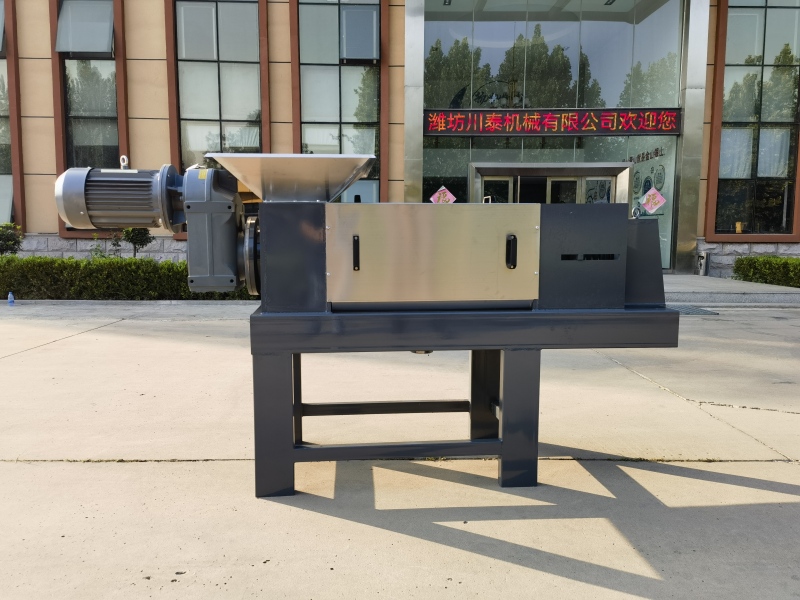
 Introduction:
Hemp, a versatile and sustainable plant, has gained significant attention for its various applications, including textiles, paper, and construction materials. The demand for hemp fiber has spurred innovations in processing machinery, aiming to optimize efficiency and quality. This article explores recent advancements in hemp fiber processing machines.
Decortication Machines:
Decortication is a crucial step in hemp fiber extraction, separating the outer bast fibers from the inner woody core (hurd). Modern decortication machines are designed with improved precision and speed. Automated systems utilize advanced blade technology and adjustable settings to achieve optimal fiber length and quality.
Fiber Cleaning Systems:
To enhance the purity of hemp fibers, sophisticated cleaning systems have been integrated into processing machines. These systems remove impurities such as dust, lignin, and other contaminants, ensuring the final product meets industry standards. High-efficiency aspiration systems and mechanical cleaning mechanisms contribute to the overall cleanliness of the extracted fibers.
Automated Sorting and Grading:
Incorporating artificial intelligence and machine learning algorithms, sorting and grading processes have become more streamlined and accurate. Automated systems can analyze fiber characteristics, such as length, strength, and color, to ensure uniformity in the final product. This level of precision is crucial for meeting the diverse requirements of end-users in various industries.
Environmentally Friendly Processing:
The push for sustainable practices has led to the development of eco-friendly hemp processing machinery. Manufacturers are increasingly incorporating energy-efficient components, optimizing water usage, and minimizing waste generation. This commitment to sustainability aligns with the overall eco-conscious ethos of the hemp industry.
Integration of IoT Technology:
The Internet of Things (IoT) has made its way into hemp fiber processing, offering real-time monitoring and control. Sensors embedded in machines provide data on performance, maintenance needs, and potential issues. This connectivity allows operators to remotely manage and optimize the processing workflow, minimizing downtime and maximizing productivity.
Customization Options:
To cater to the diverse needs of hemp product manufacturers, modern processing machines offer customization options. Adjustable settings for fiber length, processing speed, and output volume allow businesses to tailor their production to specific requirements. This flexibility is particularly valuable in an industry where the demand for specialized hemp products continues to grow.
Conclusion:
As the hemp industry expands, the evolution of fiber processing machinery plays a pivotal role in meeting the increasing demand for high-quality hemp fibers. The integration of advanced technologies, sustainability measures, and customization options demonstrates the commitment of manufacturers to drive efficiency and innovation in this burgeoning sector.

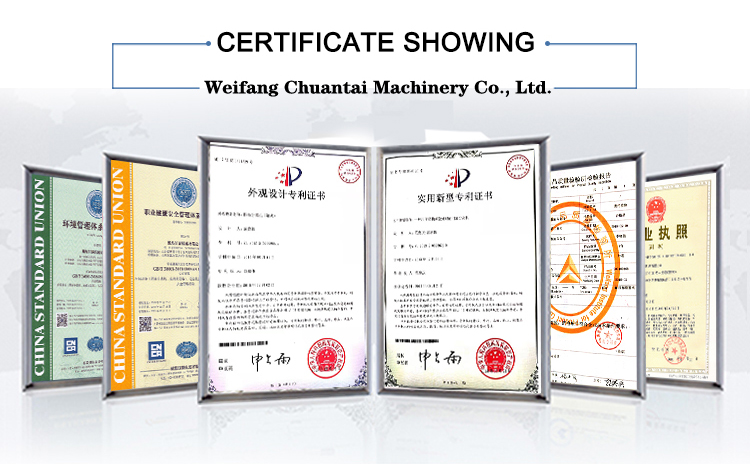
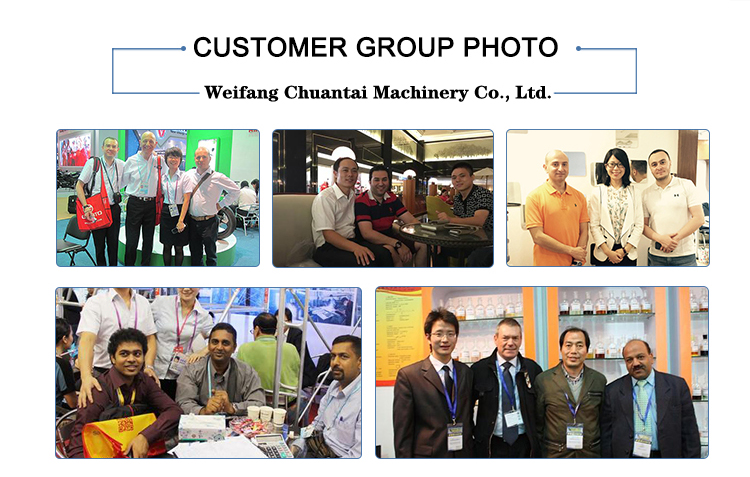

If your company wants to establish a business relationship with us, please briefly describe the cooperation intention and send an email to:chuantaiscrewpress@gmail.com
![[list:title]](/static/upload/image/20240528/1716877114510915.jpg)