


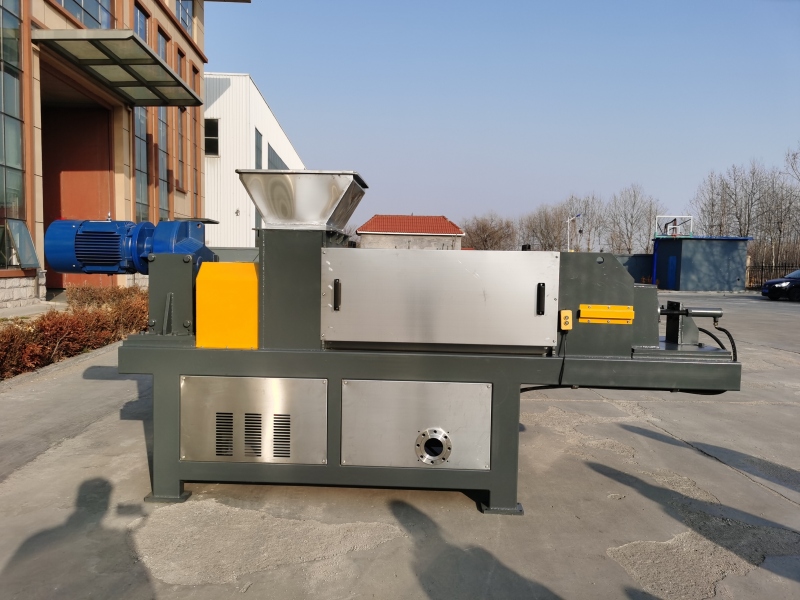
The dewatering screw press machine plays a crucial role in various industries for separating liquids from solid materials. Understanding the factors that influence its usage is essential for optimizing performance and achieving efficient dewatering processes. This article explores key factors that impact the utilization of dewatering screw press machines, providing insights into their operation and maintenance.
Material Characteristics:
The nature of the material being processed significantly affects the performance of a dewatering screw press machine. Factors such as particle size, composition, and consistency of the slurry influence the efficiency of dewatering. Understanding the material characteristics is essential for selecting the appropriate machine settings and ensuring optimal results.
Machine Design and Capacity:
The design and capacity of the dewatering screw press machine are critical considerations. The machine should be appropriately sized for the intended application, taking into account the volume and characteristics of the sludge or slurry. A well-designed machine with suitable capacity ensures effective dewatering and prevents overload or underutilization issues.
Screw Configuration and Speed:
The screw configuration and rotational speed play a pivotal role in the dewatering process. Adjusting the screw parameters can impact the residence time of the material in the press, affecting moisture removal. Understanding the relationship between screw design, speed, and dewatering efficiency is essential for optimizing the machine's performance.
Operating Temperature and Pressure:
The dewatering process can be influenced by the temperature and pressure conditions during operation. Some materials may require specific temperature or pressure settings for optimal dewatering. Monitoring and controlling these variables contribute to achieving the desired moisture content in the discharged solids.
Pre-treatment Processes:
Pre-treatment of the slurry or sludge before entering the dewatering screw press machine can significantly affect its performance. Pre-screening, chemical conditioning, or other preparatory steps may be necessary to enhance dewatering efficiency. Understanding the pre-treatment requirements is crucial for achieving desired results.
Maintenance Practices:
Regular maintenance is essential to ensure the longevity and consistent performance of the dewatering screw press machine. Proper lubrication, inspection of wear components, and timely replacement of parts contribute to minimizing downtime and optimizing the machine's overall operational efficiency.
Automation and Control Systems:
The integration of advanced automation and control systems can streamline the operation of dewatering screw press machines. Monitoring key parameters, such as moisture content and machine load, in real-time allows for responsive adjustments and enhances overall process control.
In conclusion, successful utilization of a dewatering screw press machine requires a comprehensive understanding of material characteristics, machine design, operational parameters, and maintenance practices. By addressing these factors systematically, industries can maximize the efficiency of dewatering processes, leading to reduced operational costs and improved environmental sustainability.

If your company wants to establish a business relationship with us, please briefly describe the cooperation intention and send an email to:chuantaiscrewpress@gmail.com
![[list:title]](/static/upload/image/20240528/1716877114510915.jpg)