


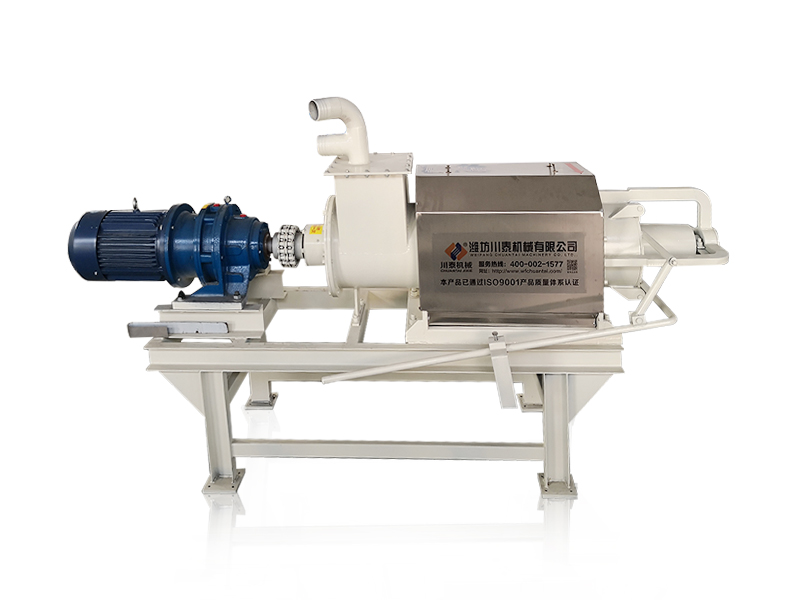
Cow Dung Solid-Liquid Separator
In recent years, the agricultural sector has witnessed a growing emphasis on sustainable practices and efficient waste management. One noteworthy innovation that has gained attention is the cow dung solid-liquid separator. This technology addresses several critical challenges associated with livestock farming and waste management, contributing to both environmental preservation and agricultural productivity. This article delves into the significance of the cow dung solid-liquid separator, highlighting its benefits and potential impacts.
Waste Management and Environmental Sustainability:
The cow dung solid-liquid separator plays a pivotal role in managing livestock waste effectively. In conventional farming systems, cow dung, a valuable organic resource, often accumulates and poses environmental threats due to its improper disposal. By utilizing the separator, the solid and liquid fractions of cow dung can be efficiently separated. This separation reduces the environmental impact by decreasing the risk of groundwater contamination and foul odors, thereby contributing to cleaner water sources and healthier ecosystems.
Nutrient Management and Agricultural Productivity:
The separated solid fraction obtained from the cow dung separator contains valuable nutrients, such as nitrogen, phosphorus, and potassium, which are essential for plant growth. This nutrient-rich solid can be utilized as high-quality organic fertilizer, enhancing soil fertility and crop yields. Incorporating these nutrients into the agricultural cycle through proper utilization of the separator's outputs reduces the need for synthetic fertilizers, minimizing chemical runoff into water bodies and promoting sustainable farming practices.
Biogas Production and Energy Generation:
Another significant aspect of the cow dung solid-liquid separator is its contribution to biogas production. The liquid fraction obtained after separation is rich in organic matter and can be used as feedstock for biogas digesters. Biogas, a renewable energy source primarily composed of methane, can be harnessed for electricity generation, cooking, and heating. By utilizing biogas as an alternative to fossil fuels, the separator helps mitigate greenhouse gas emissions and contributes to the transition towards a more sustainable energy mix.
Improved Livestock Hygiene and Health:
Livestock hygiene is crucial for maintaining the health and well-being of animals. Accumulated cow dung can harbor pathogens and pests, posing health risks to livestock and potentially affecting product quality. By employing the solid-liquid separator, the prompt removal of waste minimizes contact between animals and manure, reducing the likelihood of disease transmission and ensuring healthier livestock populations.
Conclusion:
The cow dung solid-liquid separator stands as a pivotal innovation with multifaceted benefits for agriculture and the environment. Its role in waste management, nutrient recycling, energy generation, and livestock health showcases its significant contributions to sustainable farming practices. As the agricultural industry continues to evolve in response to the need for eco-friendly solutions, the adoption of such technologies will undoubtedly play a crucial role in shaping a more sustainable and productive future.

If your company wants to establish a business relationship with us, please briefly describe the cooperation intention and send an email to:chuantaiscrewpress@gmail.com
![[list:title]](/static/upload/image/20240528/1716877114510915.jpg)