


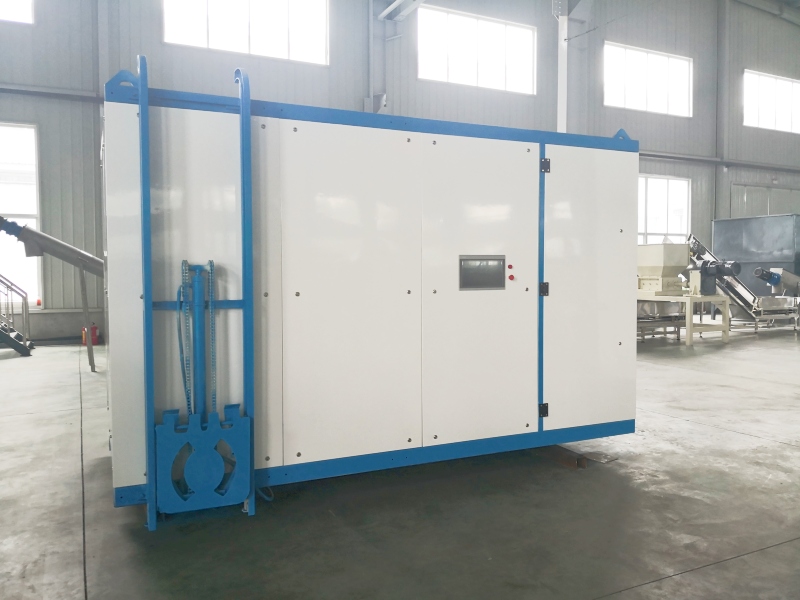
As the global population continues to grow, so does the challenge of managing food waste, a critical issue with significant environmental and economic implications. In recent years, innovative technologies have emerged to address this concern, with the food waste squeezer dewater machine standing out as a promising solution. This article explores the potential and future prospects of these machines in revolutionizing food waste management.
Efficiency in Waste Reduction:
Food waste squeezer dewater machines are designed to efficiently reduce the moisture content in organic waste, significantly diminishing its volume. By squeezing out excess liquid, these machines contribute to the reduction of overall waste, making it easier to handle and transport. This efficiency is a key factor in improving waste management processes.
Environmental Impact:
One of the notable benefits of food waste squeezer dewater machines is their positive impact on the environment. By minimizing the volume of food waste, these machines reduce the need for landfill space and decrease greenhouse gas emissions associated with decomposing organic matter. The resulting dewatered waste can also be utilized for composting or energy generation, further contributing to sustainability.
Resource Recovery:
The dewatered waste produced by these machines contains valuable organic materials that can be repurposed. This resource recovery aspect opens up opportunities for creating biogas, biofuels, or high-quality compost. The extraction of these resources not only reduces the environmental impact but also presents economic benefits by turning waste into valuable commodities.
Cost-Effective Waste Management:
Food waste squeezer dewater machines offer a cost-effective solution for businesses and municipalities dealing with large volumes of organic waste. The reduction in waste volume leads to lower transportation costs, and the recovered resources can be sold or used internally, contributing to potential cost savings and a more sustainable waste management model.
Technological Advancements:
As technology continues to advance, so do the capabilities of food waste squeezer dewater machines. Innovations such as automation, sensor integration, and data analytics enhance their efficiency and usability. This trend is expected to continue, making these machines even more user-friendly and adaptable to diverse waste management needs.
Regulatory Support and Incentives:
Governments and environmental agencies worldwide are increasingly recognizing the importance of sustainable waste management practices. As a result, there is a growing trend of regulatory support and incentives for businesses and industries adopting technologies like food waste squeezer dewater machines. This support creates a favorable environment for the widespread adoption of these solutions.
Conclusion:
The future of food waste management looks promising with the integration of advanced technologies such as food waste squeezer dewater machines. These innovations not only address the environmental challenges posed by food waste but also offer cost-effective and resource-efficient solutions. With ongoing technological advancements and increasing regulatory support, the widespread adoption of these machines is likely to play a crucial role in building a more sustainable and resilient waste management infrastructure globally.
If your company wants to establish a business relationship with us, please briefly describe the cooperation intention and send an email to:chuantaiscrewpress@gmail.com
![[list:title]](/static/upload/image/20240528/1716877114510915.jpg)