


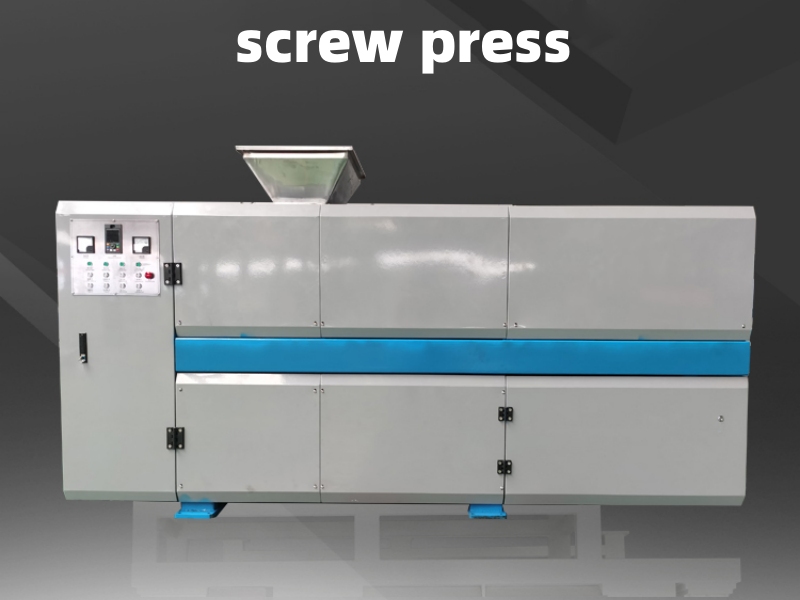
The modern world faces a growing challenge in managing household waste, particularly kitchen rubbish. Traditional disposal methods often contribute to environmental pollution and strain on waste management systems. In response to this issue, the development and implementation of innovative technologies, such as the Kitchen Rubbish Dewatering Machine, have gained significance. This article explores the meaning and importance of the Kitchen Rubbish Dewatering Machine, highlighting its potential benefits for sustainable waste management.
Meaning of Kitchen Rubbish Dewatering Machine:
The Kitchen Rubbish Dewatering Machine is a technological solution designed to reduce the volume and moisture content of kitchen waste before disposal. It operates on the principle of separating liquid from solid waste, significantly decreasing the weight and bulk of the discarded materials. This technology addresses the challenges associated with wet waste, which is a common component of kitchen rubbish.
Significance and Benefits:
Volume Reduction:
One of the primary significances of the Kitchen Rubbish Dewatering Machine is its ability to reduce the volume of kitchen waste. By removing excess moisture, the machine minimizes the space required for waste storage and transportation. This not only optimizes landfill space but also lowers the frequency of waste collection.
Resource Efficiency:
The dewatering process enhances resource efficiency by minimizing the amount of water present in kitchen waste. This results in a more concentrated organic material that can be utilized for composting or as a feedstock for bioenergy production. Resource recovery from kitchen rubbish contributes to a circular economy, promoting sustainability.
Odor Control:
Dewatering kitchen waste helps control unpleasant odors associated with decomposing organic matter. By reducing the moisture content, the machine inhibits the growth of odor-producing bacteria, creating a more hygienic and pleasant environment in and around waste storage areas.
Improved Waste Management Infrastructure:
Integrating Kitchen Rubbish Dewatering Machines into waste management systems can lead to improved infrastructure. The reduced volume and weight of waste ease the burden on transportation and processing facilities, potentially lowering operational costs for municipalities and waste management organizations.
Environmental Impact:
The significance of this technology extends to its positive environmental impact. By minimizing the volume of waste sent to landfills, the Kitchen Rubbish Dewatering Machine contributes to the reduction of greenhouse gas emissions associated with waste decomposition. It aligns with global efforts to mitigate climate change and promotes a more sustainable approach to waste disposal.
Conclusion:
In conclusion, the Kitchen Rubbish Dewatering Machine holds great significance in addressing the challenges posed by kitchen waste. Through volume reduction, resource efficiency, odor control, improved waste management infrastructure, and positive environmental impact, this innovative technology plays a crucial role in promoting sustainable and responsible waste management practices. As society continues to prioritize environmental stewardship, the adoption and integration of such technologies become essential for a cleaner and more sustainable future.

If your company wants to establish a business relationship with us, please briefly describe the cooperation intention and send an email to:chuantaiscrewpress@gmail.com
![[list:title]](/static/upload/image/20240528/1716877114510915.jpg)