


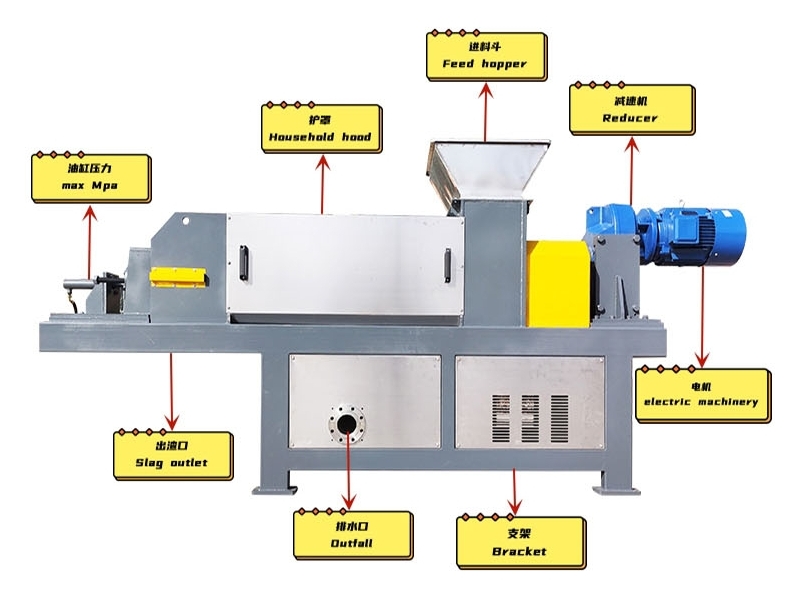
Organic waste management is a critical aspect of sustainable development, and efficient dewatering techniques play a pivotal role in the processing of organic waste materials. The Organic Waste Dewatering Screw Press (OWDSP) has emerged as a promising technology for reducing the moisture content in organic waste, thereby facilitating easier handling and disposal. This article provides a comprehensive review of the impact of the OWDSP on various aspects, including environmental, economic, and operational considerations.
Introduction:
The increasing volume of organic waste generated globally poses significant challenges for waste management systems. The use of dewatering technologies, such as the OWDSP, aims to address these challenges by reducing the weight and volume of organic waste, ultimately minimizing the environmental footprint.
Operational Efficiency:
The OWDSP is renowned for its operational efficiency in separating liquid from organic waste materials. This section evaluates the impact of improved operational efficiency on the overall waste management process, highlighting the potential for cost savings and resource optimization.
Environmental Impact:
Efficient dewatering processes contribute to environmental sustainability by minimizing the leachate production and the associated risks of groundwater contamination. The article explores the positive environmental impact of OWDSP, emphasizing its role in mitigating the ecological effects of organic waste disposal.
Economic Considerations:
The economic viability of waste management technologies is crucial for widespread adoption. An analysis of the economic impact of OWDSP implementation, including initial investment costs, operational expenses, and potential returns, is presented in this section.
Resource Recovery:
The OWDSP not only reduces the volume of organic waste but also facilitates resource recovery through the extraction of valuable components such as organic fertilizers. The article discusses the impact of OWDSP on promoting circular economy principles by turning organic waste into valuable resources.
Case Studies:
Real-world case studies provide insights into the practical implementation of OWDSP in different contexts. These case studies examine the technology's performance, challenges encountered, and the overall impact on local waste management practices.
Future Prospects and Challenges:
The article concludes with a discussion on the future prospects of OWDSP technology, including potential advancements, integration with other waste management systems, and the challenges that need to be addressed for wider adoption.
In summary, the Organic Waste Dewatering Screw Press demonstrates significant potential in revolutionizing organic waste management. This comprehensive review sheds light on its multifaceted impact, encompassing operational efficiency, environmental benefits, economic considerations, resource recovery, and future prospects.

If your company wants to establish a business relationship with us, please briefly describe the cooperation intention and send an email to:chuantaiscrewpress@gmail.com
![[list:title]](/static/upload/image/20240528/1716877114510915.jpg)